
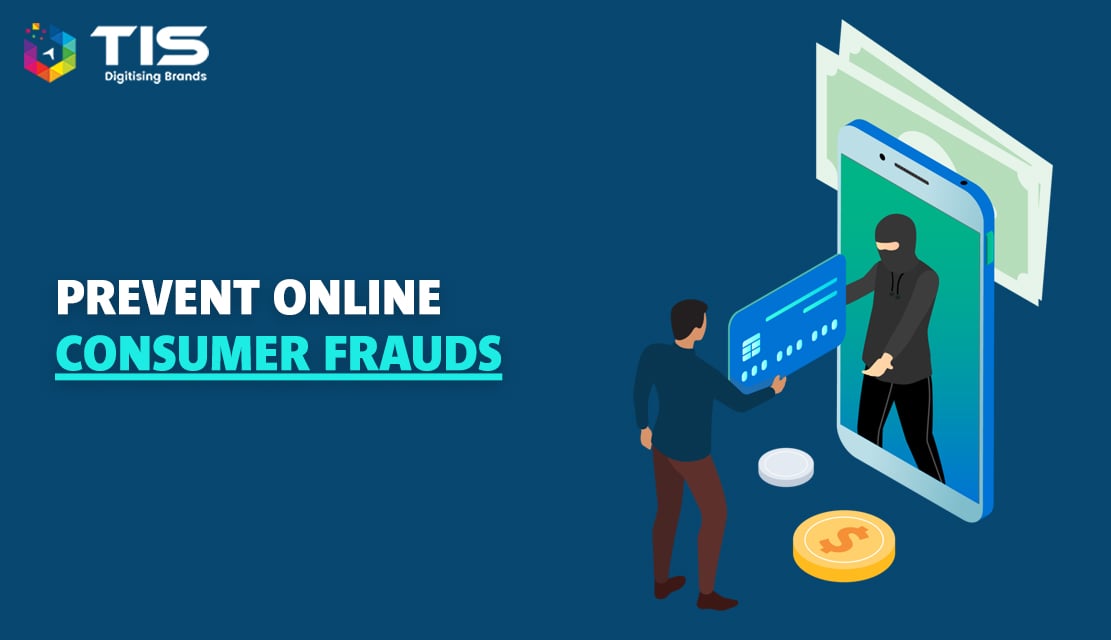
Online consumer fraud is no longer an occasional inconvenience. It is now a daily threat shaping how people shop, bank, and share information on the internet. The U.S. Federal Trade Commission reported that consumers lost $15.9 billion to fraud in 2025 across three million reports, while India’s Reserve Bank recorded digital banking fraud cases rising sharply year on year. This guide walks you through the fraud patterns that matter today, the habits that block most attacks, and the exact steps to take if your money or data is compromised.
Fraud has shifted from clumsy email scams to convincing, multi-channel operations that use AI-generated voices, look-alike domains, and social engineering at scale. The Federal Trade Commission notes that nearly 30% of people who reported losing money to a scam in 2025 said it started on social media, with investment scams alone accounting for $1.1 billion of those losses.
In India, the picture is similar in shape but distinct in tactics. UPI-based collect requests, fake delivery messages, KYC update prompts, and so-called “digital arrest” calls have become widespread. Quick Heal’s consumer fraud research notes that most successful scams do not involve hacking at all. They rely on urgency, fear, and a single moment of misplaced trust.
You cannot prevent what you cannot identify. The fraud landscape in 2026 is dominated by a small number of repeating patterns, often blended together to feel legitimate.
The clearest way to build instinct is to memorise the warning signs by where they appear. The table below maps the most reliable red flags to the channel where you are most likely to encounter them.
| Channel | Common Fraud Pattern | Immediate Red Flag |
|---|---|---|
| SMS or WhatsApp | KYC update, parcel stuck, electricity disconnection | Shortened URL, urgency, payment request under ₹10 |
| Phone call | Bank verification, digital arrest, lottery win | Caller asks for OTP, PIN, or screen sharing |
| Social media | Investment tips, romance, crypto influencer | Pressure to move chat to Telegram or a private app |
| Invoice fraud, password reset, refund notice | Mismatched sender domain, generic greeting, urgent action | |
| E-commerce site | Heavy discount store, fake marketplace listing | COD disabled, no return policy, recent domain registration |
| UPI app | Collect request, fake QR code | Entering PIN is required to “receive” money |
You do not need advanced security tools to block the majority of consumer scams. A small set of habits, applied consistently, removes the conditions fraudsters depend on.
Almost every successful scam relies on speed. The instruction is always to act now, transfer now, click now. Treat artificial urgency as a signal to verify, not to comply. Call the institution directly using a number from its official website, not the one provided in the message.
No legitimate bank, payment app, or government agency will ever ask for these details over a call, message, or video. The same applies to remote-access apps like AnyDesk or TeamViewer. Sharing screen access during a “bank verification” call is one of the fastest paths to a drained account.
Before transferring money to any new account, confirm the recipient through a second channel. For e-commerce, check domain age, return policy, contact details, and reviews outside the site itself. If a deal looks dramatically better than competitor pricing, it usually is not real.
Use unique passwords for banking, email, and primary social accounts. Enable two-factor authentication everywhere it is offered, preferring authenticator apps over SMS where possible. A compromised email often gives attackers a path into every account linked to it, so this is the single account that deserves the strongest protection.
Most consumer malware exploits known, already-patched vulnerabilities. Enabling automatic updates on your phone, browser, and banking apps closes the door on a large share of opportunistic attacks. Install apps only from official stores, and review permissions before granting access to contacts, SMS, or accessibility services.
Enable SMS and email alerts for every debit and credit. Small unauthorised charges are often a test before a larger theft. Catching the test transaction gives you time to block the card and freeze the account before serious damage occurs.
Consumer trust depends as much on the platforms people use as on individual vigilance. If you run an online business, fraud prevention is also a brand-protection function. Verified SSL, secure payment gateways, clear refund policies, transparent contact information, and active monitoring of fake look-alike domains all reduce the chance that your customers are scammed in your name. Teams building consumer-facing platforms should treat fraud resilience as a design requirement, not an afterthought, and review their architecture against current best practices for developing secure web applications.
For brands operating storefronts at scale, the security perimeter extends to checkout flows, account recovery, and post-purchase communication. Partnering with experienced engineering teams on ecommerce website development services and end-to-end website development services ensures that secure coding, payment compliance, and fraud monitoring are built in from the first release.
Speed of response decides how much you can recover. Acting within the first few hours dramatically improves the odds.
Online fraud prevention is not a one-time setup. The tactics shift every quarter, and the only durable defence is a routine. A monthly check on transaction alerts, password hygiene, app permissions, and unfamiliar logins takes less than thirty minutes and quietly closes the gaps that fraudsters search for. Teach the same routine to family members, especially older relatives, who remain the most heavily targeted group in current FTC and FBI data.
Understanding the mental triggers behind scams is as protective as any technical control. Fraudsters do not target your password first. They target your emotions: fear of a frozen account, hope of a windfall, guilt about a family member in trouble, or social proof from a fake “verified” account. Each of these short-circuits the rational checks you would normally apply. Recognising the emotion as it rises is often enough to break the script. If a message or call is making you feel panic, urgency, embarrassment, or excitement strong enough to bypass verification, that emotional spike is itself the warning sign.
This is also why scams targeting older relatives succeed at higher loss values. The combination of unfamiliar interfaces, trust in authority figures, and isolation makes a “police” call or a “bank officer” demand harder to challenge. The most effective family-level defence is a simple, agreed rule: no transfer is ever made on the same call where it is demanded, regardless of who is calling or what they claim.
Phishing through SMS, WhatsApp, and email remains the most common entry point, while UPI collect-request fraud and online investment scams drive the largest financial losses reported in India. Most successful scams combine a believable fake message with a strong sense of urgency, pushing the victim to click a link, share an OTP, or approve a payment before verifying anything through an official channel or a trusted second source.
Report within the first few hours, and certainly inside three working days. Reserve Bank of India guidelines on unauthorised electronic transactions allow zero customer liability in many situations if the bank is informed promptly through official channels. Call your bank first to block the card or account, then file a complaint on cybercrime.gov.in or dial the 1930 helpline so the receiving account can be flagged before the stolen funds are withdrawn.
Yes, UPI and regulated digital wallets are safe when used with basic discipline. Most UPI fraud cases involve user error rather than a flaw in the underlying system itself. Never enter your UPI PIN to receive money, decline unknown collect requests, avoid scanning QR codes shared by strangers, and set a sensible per-transaction limit. Keep the app updated regularly and only download payment apps from official Google Play or Apple App Store listings.
Check the domain age using a WHOIS lookup, confirm a working customer-support number and physical address, look for a clear return and refund policy, and verify HTTPS plus a padlock icon in the address bar. Be cautious of stores that disable cash on delivery, offer extreme discounts on premium brands, or display only recent five-star reviews posted in tight clusters within a very short window of days.
Businesses should implement secure payment gateways, enforce HTTPS and strong authentication, actively monitor look-alike domains, train support teams to spot social engineering attempts, and provide clear in-app warnings about common scams. Investing in secure architecture, regular code audits, customer-side fraud monitoring tools, and well-rehearsed incident response reduces both direct customer losses and the reputational damage from fraud incidents traced back to a brand’s checkout or login flow.
For technical teams building consumer-facing platforms, our companion guide on best practices for developing secure web applications covers the engineering controls that complement the consumer habits described here.

© 2026 TIS. All rights reserved.