
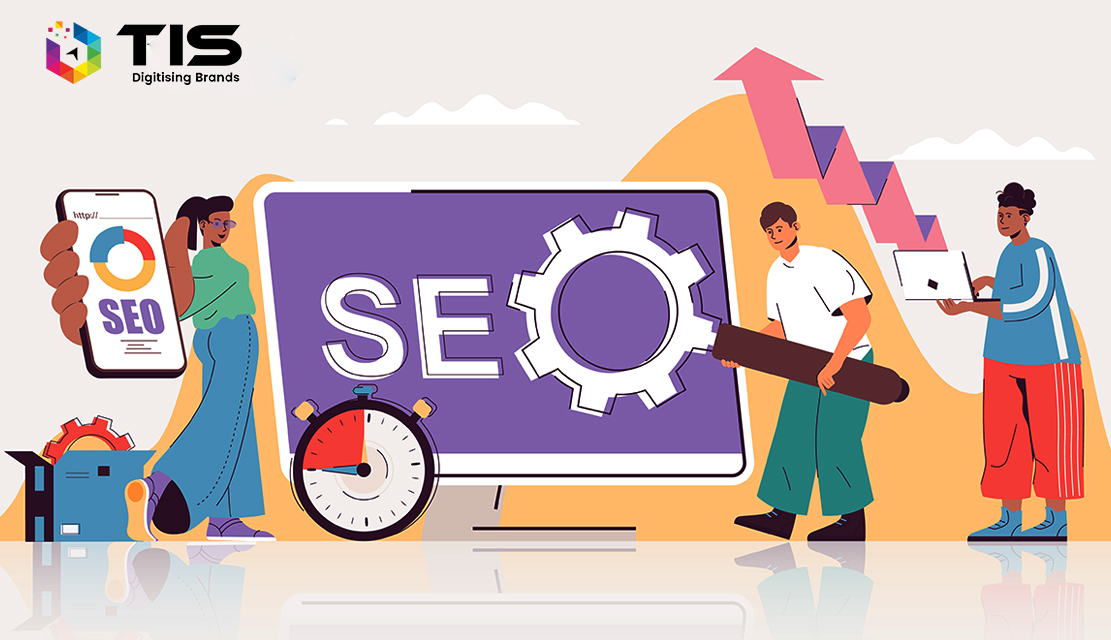
Most BigCommerce store owners find a frustrating pattern. They implement basic SEO settings; optimize meta descriptions, clean up URLs, and submit sitemaps. Rankings do get marginally better. Traffic increases slightly. But revenue growth stalls well below expectations. The problem isn’t effort. It’s the nature of basic optimization that in competitive markets, performance ceilings are hit quickly. Your competitors adopt those same basic tactics. The stores that dominate organic search don’t just do the standard. They deploy strategic optimization systems whereby effectiveness compounds over time.
BigCommerce offers some solid SEO foundations, but the platform is not going to ensure visibility, nor conversions. Success involves knowing which of the techniques are delivering disproportionate return, how to prioritize resources limited by available resources for maximum return and times when basic optimization approaches require strategic expansion. This guide is all about expert techniques to shift revenue metrics – not general best practices that every competing company already does. These are the ways that the best performing stores distinguish themselves from the rest of the pack that are struggling, even though they have technically sound SEO foundations in place.
The critical error that most BigCommerce owners make isn’t picking the wrong techniques. It’s the strategic sequencing implementation of optimization random. Expert SEO is a tiered prioritization to maximize the early wins while building towards compounding long-term advantages. This methodology ensures that limited time and budget are used to make measurable returns instead of diffuse effort focused on low-impact activities.
Tier One: Foundation Optimization Focuses on elements that are a gate to all subsequent improvements. This includes technical health verification–ensuring no crawl errors prevent indexation, verifying Core Web Vitals metrics meet Google’s thresholds and ensuring rich snippets display correctly. These basic elements function or fail to function. There’s not much nuance in optimization. But without strong foundations, high-tech techniques yield meagre returns. Most stores with BigCommerce have completed Tier One optimization in two to four weeks using BigCommerce’s native features coupled with Google Search Console diagnostics.
Tier Two: Revenue-Critical Pages is where optimization effort is focused, as it directly impacts the pipeline. This means deep optimization of best-selling product pages, high traffic category pages and conversion-critical landing pages. The methodology is not the same as with basic optimization. Instead of generic targeting of keywords, Tier Two requires in-depth analysis of search intents for each target page. Answering these questions influences content depth, internal linking architecture and optimization of the conversion path that basic approaches miss completely.
Tier Three: Authority building makes your store a leader in its category and not a follower seller. This requires content strategies which show real expertise – comprehensive buying guides, extensive compare and contrast resources, educational content that helps build trust before purchasing consideration. Most competitors never get to Tier Three because they only concentrate on product optimization. This opens up strategic opportunities for stores that are willing to invest in authority-building content that will yield compounding visibility advantages.
Standard Bigcommerce SEO advice covers obvious elements–unique descriptions, optimized titles, proper image alt text. Expert optimization knows that the product pages are in competition with sophisticated competitors who’ve put in place those same basics. Differentiation calls for more profound strategic approaches.
Semantic Keyword Architecture goes beyond single keyword targeting to cover topics. For every product, find out the entire question set prospects’ research before buying. A running shoe isn’t just optimized for “men’s trail running shoes.” Expert optimization in pronation support, outsole patterns for terrain-specific situations, weather resistance design, outsole sizing in contrast to competing brands, durability expectations, and maintenance requirements. Search engines are increasingly favoring deep expertise demonstration over shallow optimization.
Conversion-Focused Content Hierarchy is a way of structuring product information according to the needs of different decision stages. Above-the-fold content addresses immediate qualification questions. Mid-page content provides validation, technical specifications, detailed explanations of features, and use-case scenarios. Lower page sections are focused on objection resolution – shipping details, return policies, warranty details, and customer validation through reviews. This hierarchy of strategy helps to improve search visibility and conversion rates at the same time.
Internal Linking Strategy passes authority in a systematic and non-random fashion. Link from high-authority pages (top traffic generators) to strategic growth (newer products, higher margin items, seasonal inventory). Use descriptive anchor text that indicates relevance without over-optimization. Create logical product relationships with “frequently bought together” and “customers also viewed” relationships that aid in discovery while also spreading ranking signals. Many stores do internal linking randomly. A strategic approach to see architecture for the flow of authority.
BigCommerce category pages are frequently used as basic collections of products. Expert optimization turns them into rich resource centres that take over broader searches while supporting product discovery.
Comprehensive Category Content offers more than just a list of products. Introductions addressing category-related questions – how to decide between types of products, what features are important for different use cases, how buyers make common mistakes, and quality indicators that are worth paying more for. This content has two purposes: establishing category authority for the search engines as well as teaching prospects about the category before they consider buying specific products. The education phase creates trust, which influences purchasing decisions.
Faceted Navigation Optimization requires proper care to ensure not encounter duplicate content issues. Implement canonical tags for filtered views, parameter handling in Google Search Console, and consider noindex tags for low-value combinations of filters. But don’t get rid of faceted navigation for SEO reasons – it’s essential for user experience. The expert approach maintains function in navigation while addressing technical implications in a good manner. Many stores either ignore the problem of faceting or remove useful features. Strategic Optimization Maintaining UX without compromising SEO.
Category-Level Schema Implementation goes beyond basic product markup. Add breadcrumb schema, FAQ schema within the categories, aggregate rating schema for categories collection. This structured data assists search engines in understanding the relationships between content and creates possibilities for rich result features to enhance click-through-rates. Combined with rich category content, schema properly, category pages are turned into powerful ranking assets instead of mere indexes of products.
BigCommerce takes care of a lot of technical aspects for you, but expert optimization does not stop at default settings to extract as many performance benefits as possible.
Advanced Image Optimization need systematic approach from basic compression. Implement responsive image sizing by using srcset attributes, convert to WebP format for modern browsers, and fallbacks, lazy loading for below fold images, optimize thumbnail generation for category pages. These technical improvements have a direct effect on Core Web Vitals metrics that affect rankings. Store owners are notorious for underestimating the performance effect, for both SEO and conversion rates. Research after research has shown that increases in page speed result in measurable increases in revenue.
JavaScript Optimization becomes important as stores add functionality for the stores with apps and customized features. Audit third-party scripts for performance impact, defer non-critical JavaScript, remove unused code from theme files and minimise render-blocking resources. BigCommerce’s Stencil framework offers optimization capabilities, but there is a technical knowledge level required to utilize those capabilities that go beyond basic store management. This is the inflexion point for many stores in terms of finding platform customization limitations.
Structured Data Expansion goes beyond BigCommerce’s automatic schema generation. Implement organization schema with the full business info. expand local business schema if any. Implement video schema for product demos. Implement the review schema fully. Each schema type offers opportunities for improved search results for a better click-through rate. The total effect of extensive structured data offers measurable visibility benefits against competitors with only the default implementations.
When the optimization requirements go beyond the capabilities of BigCommerce’s native platform or the competition requirements require advanced functionality, the savvy store owners realize that professional ecommerce Web development service providers can provide capabilities that don’t come with basic platform management. Custom performance optimization, sophisticated functionality integration, and advanced technical implementations often demand expertise beyond standard administration of BigCommerce. The choice isn’t whether we should we optimize technically-or is the in-house talent adequate, or do the resources for professional development help to speed up results more cost-effectively.
Product and category optimization provide that foundation, but sustainable organic growth requires content strategies that establish authority, attract top-of-funnel traffic, and provide support for the entire buyer journey.
Strategic Blog Architecture is for particular business purposes and not generic content publishing. Develop content clusters around high-value product categories, develop comprehensive guides that rank for broad informational queries, and provide answers to specific questions prospects pose during phases of research. Each blog post should have a strategic purpose: to build topical authority, to attract qualified traffic, to support internal linking architecture, and to create expertise that impacts purchase decisions. Random content publication produces little SEO value. Strategic content is compounding in effectiveness over time.
Buyer Journey Mapping ensures content is addressed to each decision stage appropriately. Top-of-funnel content is educational on problem spaces and categories of solutions without explicit promotion of the product or solution. Middle funnel content is good for prospects to assess approaches and narrow options. Bottom-funnel content helps in a specific product comparison and validation of a purchase decision. Mapping existing and planned content against this journey identifies gaps that are addressed in a systematic way by strategic content development.
Technical Content Requirements Often, technical content requirements require more than just simple BigCommerce blog functionality. Advanced formatting needs, complex internal linking systems, content performance analytics, and complex publishing workflows are often pushing against platform blog limitations. Store owners who find themselves up against these constraints are finding that having professional website development services for blog infrastructure gives them the flexibility to support sophisticated content strategies. The question then becomes whether the limitations of a platform limit growth or the expanded capabilities of a platform are worth the investment in developing those capabilities.
Expert BigCommerce SEO involves measurement systems that relate optimization work to business results rather than measure vanity metrics.
Revenue Attribution Tracking: Measuring the correlation between organic traffic and sales performance. Track revenue per landing page, conversion rate by traffic source, average order value from organic traffic, and customer lifetime value by acquisition channel. These metrics go a long way in showing SEO’s impact on business as opposed to rankings and traffic volume. They also inform strategic decisions, which optimization opportunities are worth the investment, where to focus limited resources, and when current approaches reach diminishing returns.
Competitive Performance Benchmarking: Putting optimization results in context. Track share of voice for target keywords, keep track of competitor ranking patterns, analyze SERP feature capture rates, analyze comparative traffic trends. Understanding competitive dynamics helps inform strategic adjustments – whether to compete head-on or to find opportunities for differentiation, which keyword targets have realistic ranking potential, and where competitors are vulnerable so that strategic content might exploit.
Technical Health Monitoring: Avoids performance deterioration, undercutting optimization improvements. Track trends of Core Web Vitals, monitor crawl error rates, validate implementation of structured data, and check the health of internal links. Regular technical audits catch issues before they have a major impact on rankings or the user experience. Many stores do optimization once and then forget to do ongoing monitoring. An expert approach is such that technical health is treated as a continuous requirement instead of one time project.
Every platform eventually limits the growth of successful stores.
Platform Optimization Ceiling is manifested by specific symptoms, customization requirements that platform theming limitations prevent, technical optimizations that require backend modifications, functionality requirements that available apps don’t address adequately, and performance limitations from platform architecture. These signals suggest that existing infrastructure should be seen to hold growth back rather than optimization gaps defining results.
Strategic Development Investment is needed in case the opportunity cost of platform limitations outweighs the development investment. If technical limitations in capturing high-value keyword opportunities, if performance limitations have led to levelling off of the conversion rate, if customization needs justify headless commerce architecture – these situations warrant serious consideration. The calculation isn’t whether development costs money or not. It’s whether the cost of current constraints is lost revenue and a competitive disadvantage.
BigCommerce SEO success isn’t first rankings. It’s continuing and growing organic visibility as markets change and competition intensifies. This involves systematic approaches that are never adopted by most of the competitors.
Continuous Optimization Methodology approach to SEO as a continuous system rather than a completed project. Schedule regular content updates to keep content fresh signals, expand existing high performers with more depth, systematically improve underperforming pages with testing, monitor and adapt to algorithm updates, changes in the competitive landscape. Stores with continuous optimization compound advantages over time. Competitors who optimize once and then move on gradually lose ground, spite of initial effort.
Authority Compounding Authority compounding increases over time if approached strategically. Each new piece of comprehensive content enhances topical authority. Each quality backlink increases domain authority. Each positive interaction with users is an indication of value. These elements feed into each other, building momentum that the competitors face an increasingly difficult climb. Early consistent investment in the build-up of authority yields exponentially greater returns than sporadic optimization efforts.
The dominating BigCommerce organic search isn’t playing by the generic SEO advice. They have strategic optimization systems that focus on investing in high-impact techniques, they ruthlessly measure results and scale systematically beyond basic platform capabilities when growth justifies investment. The question isn’t whether or not to optimize. It’s whether you’ll employ expert techniques that can deliver measurable results or continue to execute basic practices that every competitor is already doing. Your trajectory of revenues is entirely dependent on that strategic choice.
 C - 81C, Sector - 8, Noida 201301, India
  info@tisindia.com
  (+91) 9811747579
1025 Beamon Drive, Franklin 37064 Tennessee, USA
info@tisindia.com
+1 424 283 4688
Sveavagen 34 111 34 Stockholm, Sweden
info@tisindia.com
A-10, Sahastradhara Rd, Doon IT Park, Dehradun, Uttarakhand
info@tisindia.com
(+91) 9811747579
(+91) 9811747579
1025 Beamon Drive, Franklin 37064 Tennessee, USA
info@tisindia.com
+1 424 283 4688
Sveavagen 34 111 34 Stockholm, Sweden
info@tisindia.com
A-10, Sahastradhara Rd, Doon IT Park, Dehradun, Uttarakhand
info@tisindia.com
(+91) 9811747579 
© 2026 TIS. All rights reserved.